Blog ·
Choosing the Right Materials for Your Bathroom Renovation
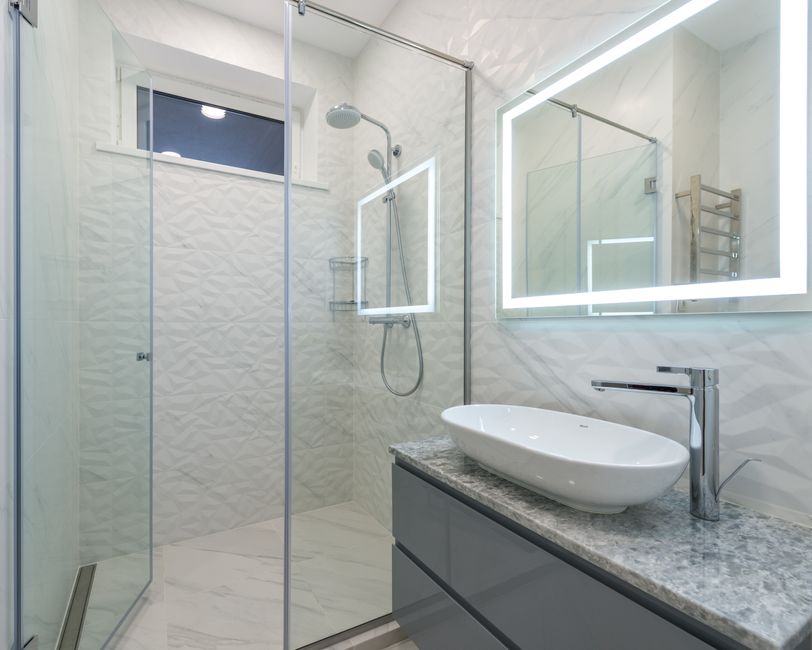
Selecting bathroom materials involves balancing aesthetics, durability, and practical maintenance. Your choices impact both how your bathroom looks and how well it functions over years of daily use.
Flooring decisions start with understanding traffic and moisture. Bathrooms require water-resistant solutions. Porcelain tile is popular for good reason—it's durable, waterproof, and available in countless styles. Natural stone offers elegant aesthetics but requires more maintenance. Vinyl and luxury vinyl planks provide comfortable, water-resistant options at various price points. Each material has different installation requirements and maintenance needs, so understand the demands before selecting.
Wall finishes require moisture resistance. Paint designed for bathrooms resists mildew better than standard interior paint. Tile provides maximum water protection and comes in infinite options. Waterproof wallpaper now exists for bathrooms, though ventilation remains critical regardless of wall treatment. Wainscoting or shiplap adds character while protecting lower walls from splash damage.
Countertops balance beauty with functionality. Granite and marble offer natural elegance but need sealing and careful maintenance. Quartz provides durability with minimal maintenance and comes in many colors. Solid surface materials offer seamless design and easy cleaning. Each option handles moisture differently, so verify suitability for bathroom conditions.
Fixture finishes affect both style and cleaning requirements. Brushed finishes hide water spots and fingerprints better than polished finishes. Chrome is classic but shows water spots. Oil-rubbed bronze offers elegance with forgiveness. Consider your daily cleaning comfort when selecting fixture finishes.
Lighting fixtures must resist moisture. Specified wet location fixtures handle bathrooms properly. Materials and gaskets designed for high humidity perform better than standard light fixtures.
Ventilation equipment prevents moisture damage. Exhaust fans must move sufficient air volume for your space. Continuous or humidity-sensing operation keeps moisture at acceptable levels. Proper ventilation protects all your material selections and prevents long-term damage.
Cabinetry needs moisture-resistant materials. Solid wood requires special finishes and sealing. Plywood with waterproof finishes works well. Marine-grade or fully sealed options withstand bathroom conditions better. Interior components also matter—waterproof backing and quality hinges last longer.
Glass choices matter for shower enclosures and windows. Tempered glass is required for safety. Coating options reduce hard water spotting and simplify cleaning. Frame materials resist corrosion in the humid bathroom environment.
Material selection shouldn't be overwhelming. Work with experienced professionals who understand performance requirements. They know which combinations perform well together and what creates problems. Quality materials installed properly with good ventilation outlast expensive materials installed poorly.