Blog ·
The Essential First Steps to Planning Your Bathroom Remodel
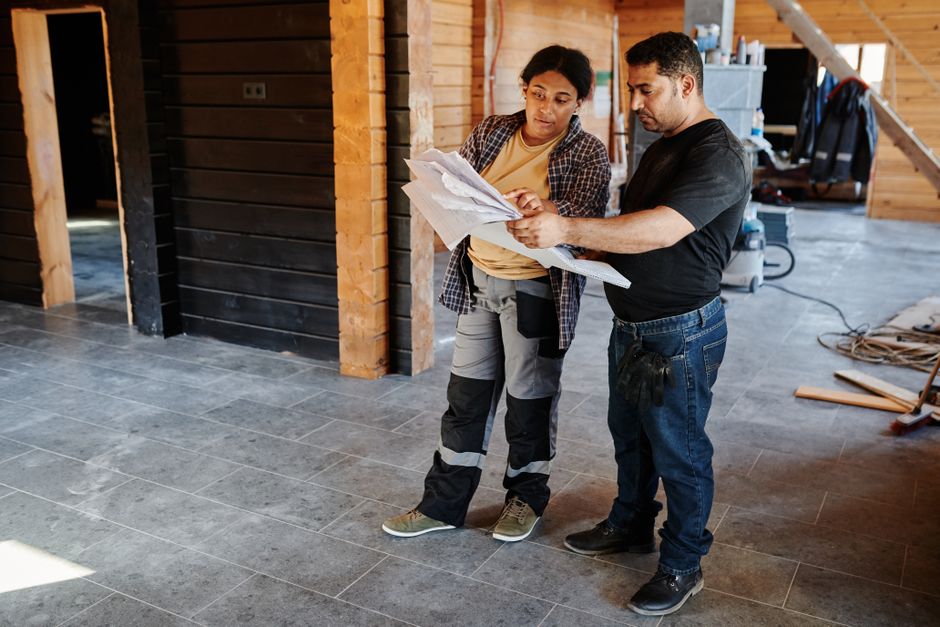
The bathroom remodeling process starts long before any construction begins. The planning phase is where you establish your vision, understand your space, and create a realistic roadmap for success. This foundation determines everything that follows.
Start by assessing your current bathroom. Take photos and measurements. Document what works and what doesn't. Is your storage inadequate? Does the layout feel cramped? Are fixtures outdated? Understanding these pain points helps you prioritize improvements. A thoughtful assessment prevents expensive changes that don't address your actual needs.
Define your goals clearly. Different projects have different priorities. Some homeowners want luxury and comfort; others prioritize functionality and efficiency. Some seek to increase home value; others want a personal retreat. Your goals shape every decision you'll make, from layout changes to fixture selections.
Establish your vision. Gather inspiration from multiple sources—design magazines, websites, showrooms, and home improvement resources. Notice which styles appeal to you. Do you prefer modern minimalism or classic elegance? Do you want bright whites or warm neutrals? Do you prefer open shelving or hidden storage? Create a visual collection that reflects your preferences.
Next, work with professionals to evaluate feasibility. Certain improvements might require structural changes, plumbing relocations, or electrical upgrades. A consultation can identify these requirements early, preventing surprises later. Professionals also offer expertise you might not possess—they know what works structurally, what's practical, and what delivers lasting value.
Consider your bathroom's existing architecture. Your space has constraints. The walls might house plumbing or electrical systems. Windows determine natural light. Doorways define traffic flow. Understanding these limitations helps you make realistic decisions rather than selecting options that won't work in your actual space.
Think about universal design principles. Bathrooms serve many needs across different life stages. Features like accessible grab bars, non-slip flooring, and adequate lighting benefit everyone. Thinking beyond today's needs creates spaces that work throughout your life.
Document your timeline. When do you want completion? Some projects take weeks; others take months. Understanding duration helps you plan for temporary bathroom arrangements and prepare your household for construction. Being realistic about timelines prevents frustration and stress.
Establish preliminary budget parameters. You don't need exact figures yet, but understanding your general investment range guides every subsequent decision. Knowing whether you're considering modest updates or comprehensive transformation shapes which options you explore.
Finally, research and connect with experienced remodeling professionals. Recommendations from friends, online reviews, and local references help identify trusted partners. Meeting with qualified professionals early provides realistic insights into what's possible and how long it takes.
The planning phase sets up your entire project. Time invested here streamlines everything that follows. You'll move forward with clarity, realistic expectations, and a solid plan.